
Large-Scale Systems and Learning

We improve efficiency and reduce costs.
What do traffic networks, wind farms, Facebook and economic markets have in common? They are all large-scale networked systems, which can be analyzed and optimized using automatic control techniques. By developing scalable methods for control and optimization, researchers at the Department of Automatic Control are contributing to solving one of the greatest challenges in modern engineering - the sustainable and safe operation of these large-scale systems.
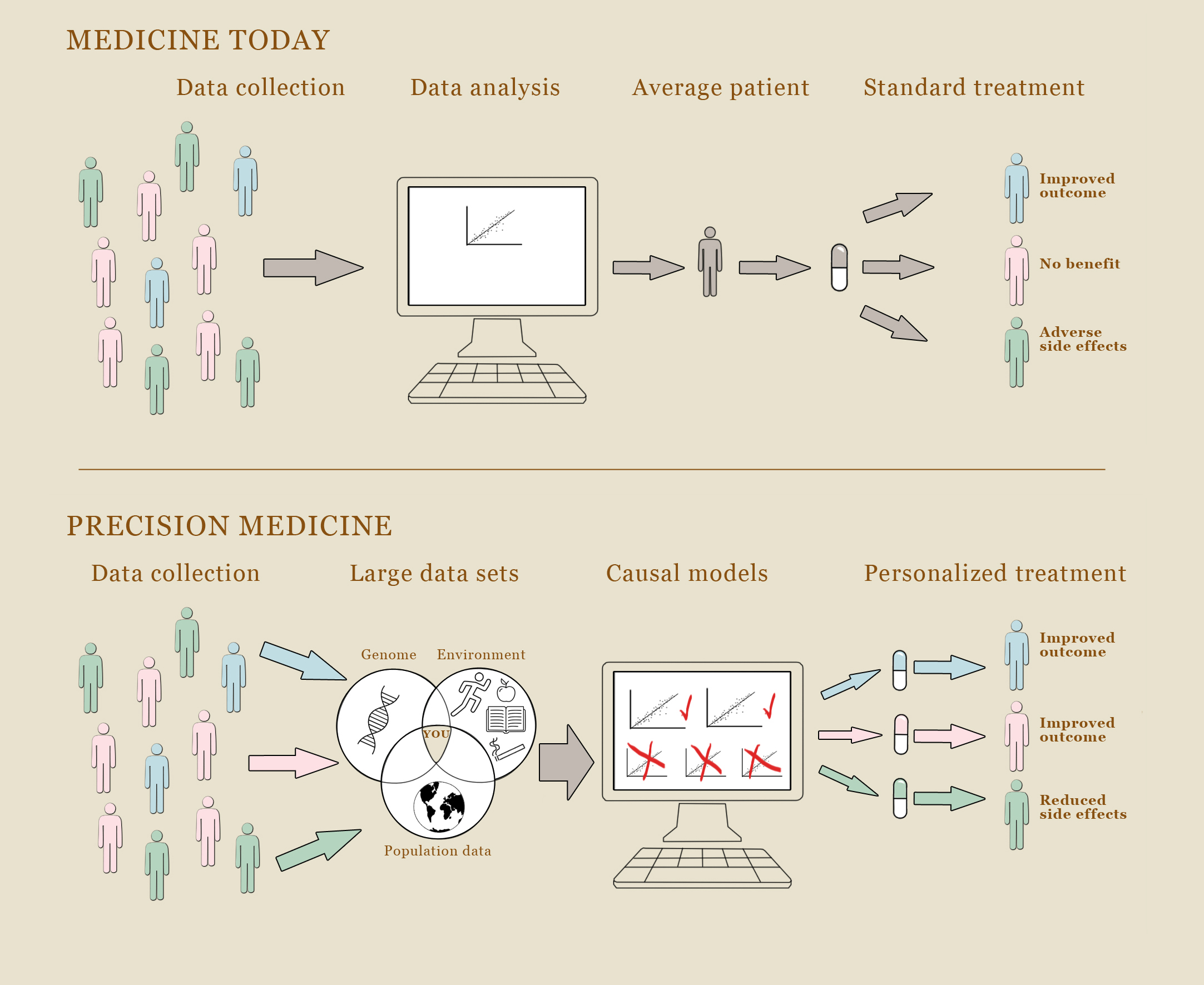
A significant part of this field of research is directed towards developing theories and methodologies supporting the design and verification of distributed control structures. Other important parts focus on combining classical physics-based models with machine-learning tools, and combining models for traditional networks, for example, for electricity and heating, with learning algorithms for consumer behavior and decision-making. The aim is to improve efficiency and reliability, while at the same time reducing costs.
Researchers within Large-Scale Systems and Learning have an extensive network of collaborators, nationally and internationally, within both academia and industry. Among our most prominent academic collaborators are the California Institute of Technology (Caltech), Massachusetts Institute of Technology (MIT), Politecnico di Torino, and the University of California, Berkeley. Among our industrial collaborators are EON, Ericsson, and Mitsubishi.
The research we have performed in this field has received a number of awards, including the George S. Axelby Outstanding Paper Award from the Institute of Electrical and Electronics Engineers (IEEE), and a European Research Council Advanced Grant from the European Commission.